
Wooden Kitchenware for Babies and Toddlers: What Parents Should Know
This article covers what parents should look for when choosing wooden eating tools for babies and toddlers, from food grade finishes to shapes that match a child's developmental stage. It closes with care tips specific to how often these pieces get used compared to adult kitchenware.
More and more parents are switching to wooden eating tools for their kids, from small spoons to a baby's first bowl. Beyond looking cute and natural, wooden pieces are also often seen as a more eco friendly alternative to plastic. But before buying, there are a few important things parents should understand to make sure what they pick is genuinely safe for a child to use.
The first thing to check is the type of finish used. Make sure the product uses a food grade finish free of harmful chemicals, since babies and toddlers tend to put things in their mouths far more often than adults do. Products with safety certification or clear labeling about the type of oil or wax used as a protective coating are a safer bet than products with no clear information at all.
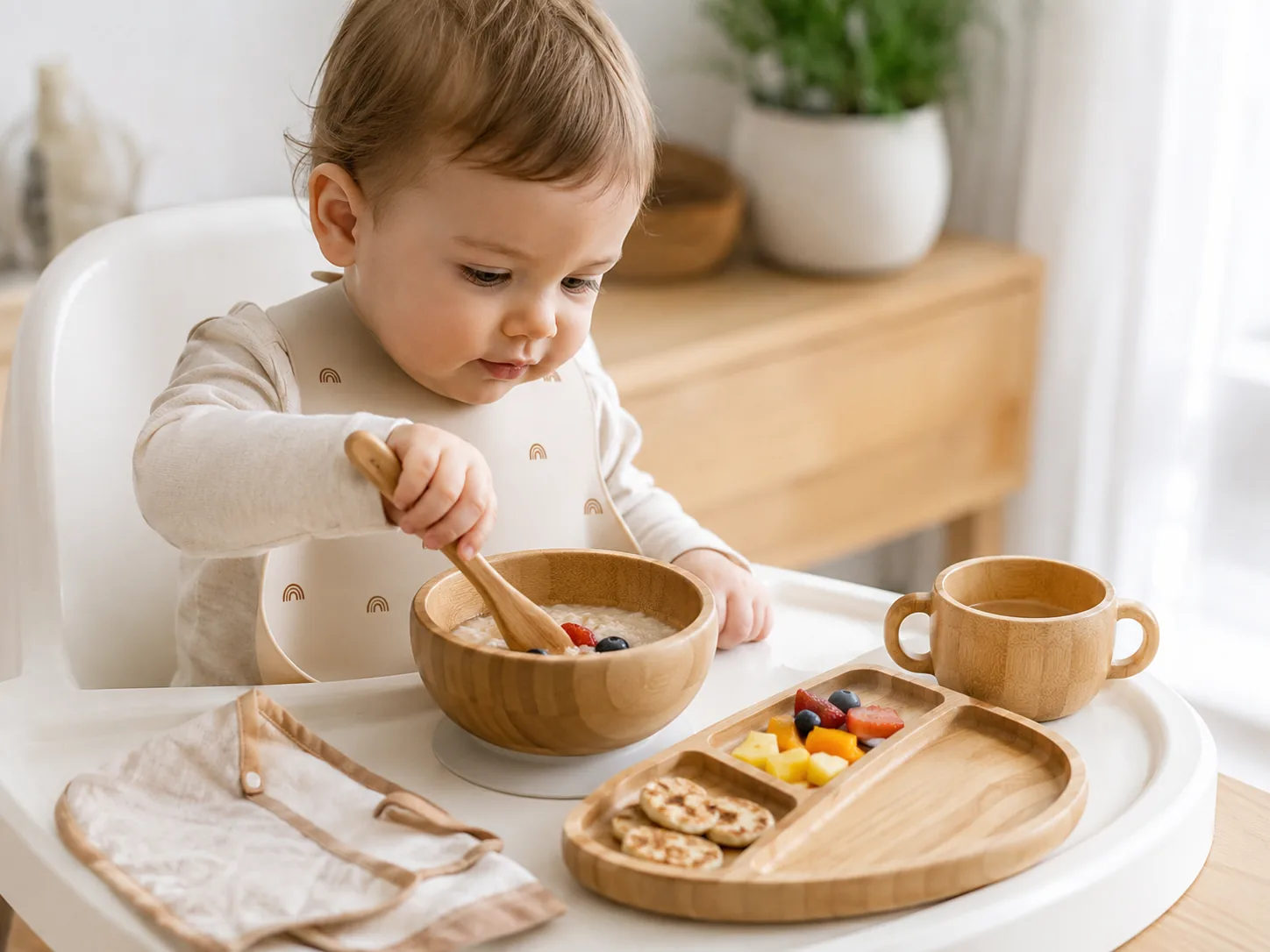
Shape and size also need to match the child's stage of development. A spoon for a baby just starting solids should have a soft, non sharp tip, with a handle short enough to fit comfortably in small hands. For toddlers learning to feed themselves, a slightly longer handle with an easy grip helps build hand coordination without causing frustration.
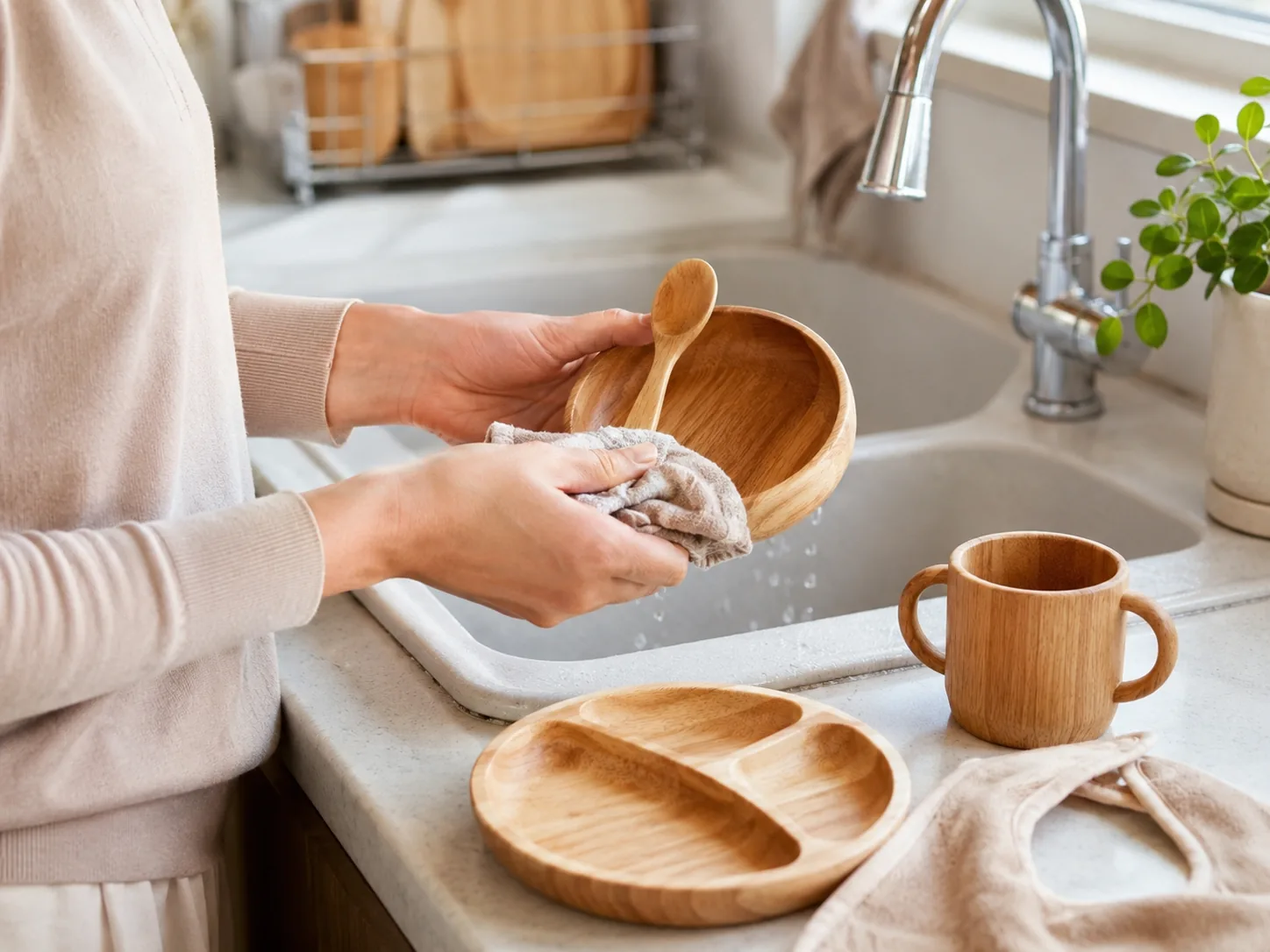
Caring for kids' wooden kitchenware is also a bit different from adult pieces, given how often it gets washed since it's used at nearly every meal. Hand washing with a mild soap, drying it right away, and regularly checking for small cracks on the wood's surface are important habits to keep things safe. With the right choice and care, wooden eating tools can be both a safe option and a way to build more natural eating habits from an early age.