
Understanding the Role of a Slotted Wooden Spatula in Frying and Sauce Making
This article explains the role of a slotted wooden spatula in frying and sauce making, from how the slots help drain oil to tips for choosing the right slot size.
Among the many types of wooden spatulas found in a kitchen, the slotted spatula often gets overlooked, even though its distinctive design actually serves a fairly important purpose, especially when frying food or making certain sauces.
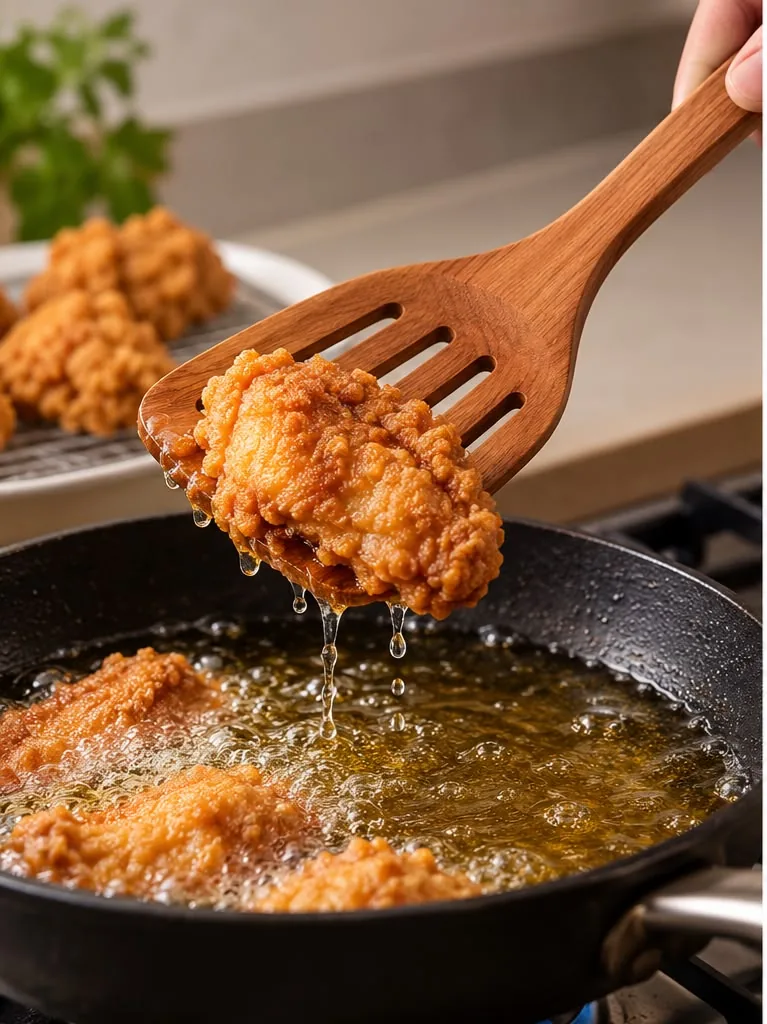
The small slots on this spatula mainly help liquid pass through without lifting up along with the food. When flipping fried food, for example, the slots let excess oil drip back into the pan, so the food that's lifted out isn't overly oily when served.
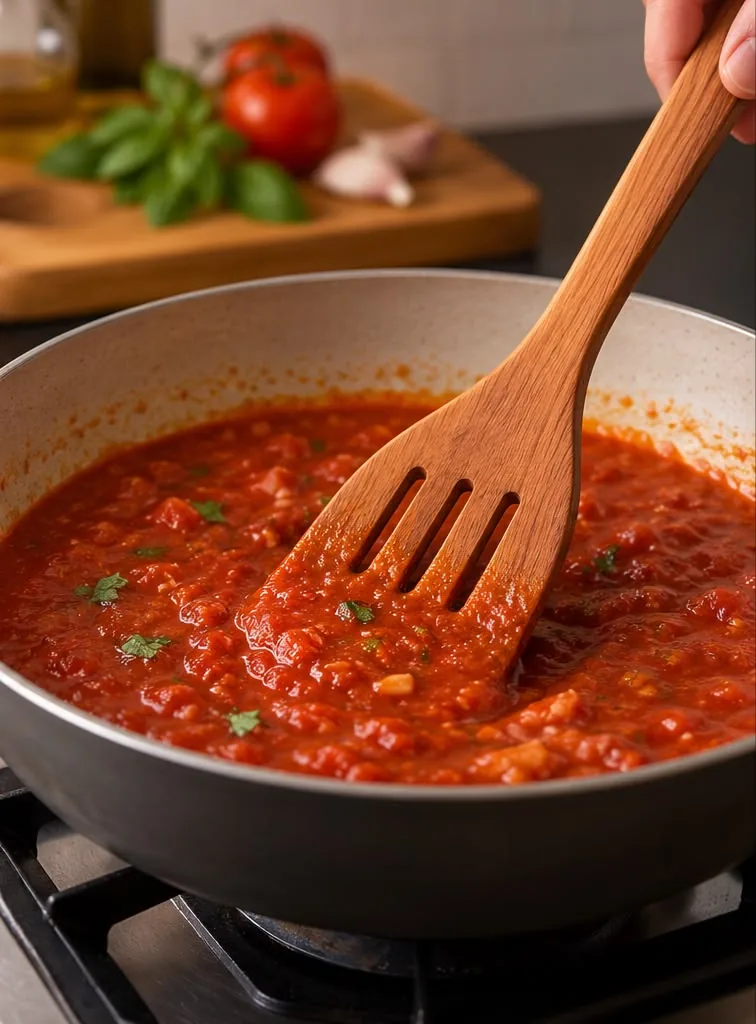
For sauce making, a slotted spatula plays a slightly different role. Its design keeps stirring smooth without letting sauce clump around the edges of the spatula, especially with medium consistency sauces like tomato sauce or coconut milk based sauces.
Beyond its main function, a slotted wooden spatula still keeps the general advantages of other wooden spatulas, like not conducting heat and being safe to use on non stick pots and pans. This keeps it comfortable to hold even during longer stretches of cooking over the stove.
When choosing a slotted wooden spatula, pay attention to the number and size of the slots. Slots that are too large can let small pieces of food, like chopped vegetables, fall right through, while slots that are too small aren't very effective at letting liquid drain properly.
By understanding its specific function, a slotted wooden spatula can become a genuinely helpful tool in the kitchen, especially for anyone who regularly fries food or makes saucy dishes as part of their everyday cooking routine.