
The Advantages of Wooden Spoons Over Metal Spoons for Cooking
This article covers the advantages of wooden spoons over metal ones for cooking, from not conducting heat and being gentler on non stick surfaces to not affecting the taste of food.
When cooking day to day, most people don't think much about which spoon they're using, but the choice between a wooden spoon and a metal one can actually affect both the cooking process and how comfortable it is to cook. Each has its strengths, but wooden spoons come with a number of advantages that keep them a favorite in many kitchens.
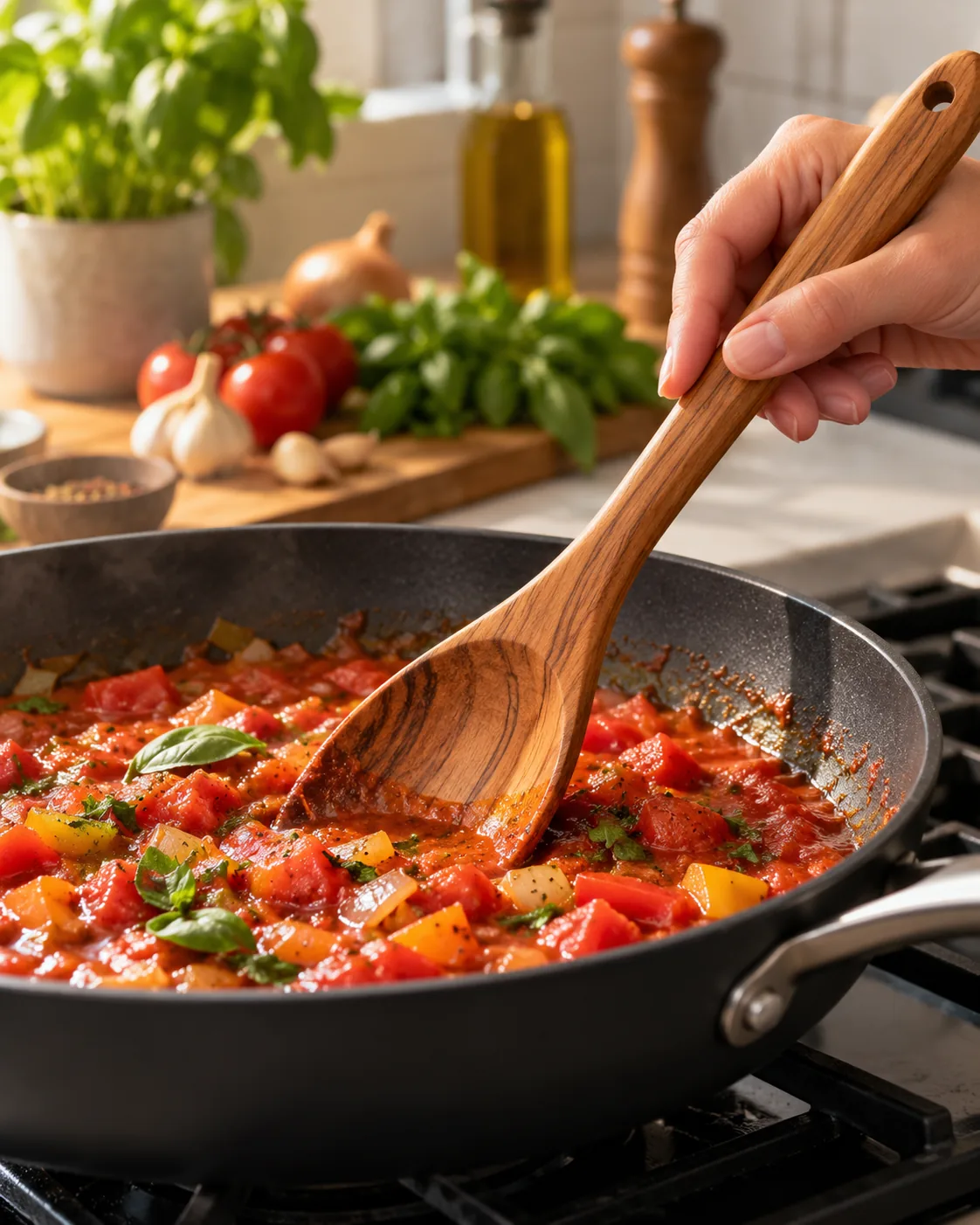
One of the main advantages of a wooden spoon is that it doesn't conduct heat. Unlike a metal spoon that can get hot after stirring a dish over the stove for a while, a wooden spoon stays comfortable to hold since wood is a good heat insulator. This makes cooking feel safer, especially when your hand has to keep holding the spoon while stirring.
Wooden spoons are also gentler on cookware surfaces. A non stick pot or pan, for example, is very prone to scratches from metal spoons, which can wear down the protective coating over time. A wooden spoon, with its softer texture, won't leave scratches even with repeated use for stirring or sautéing.
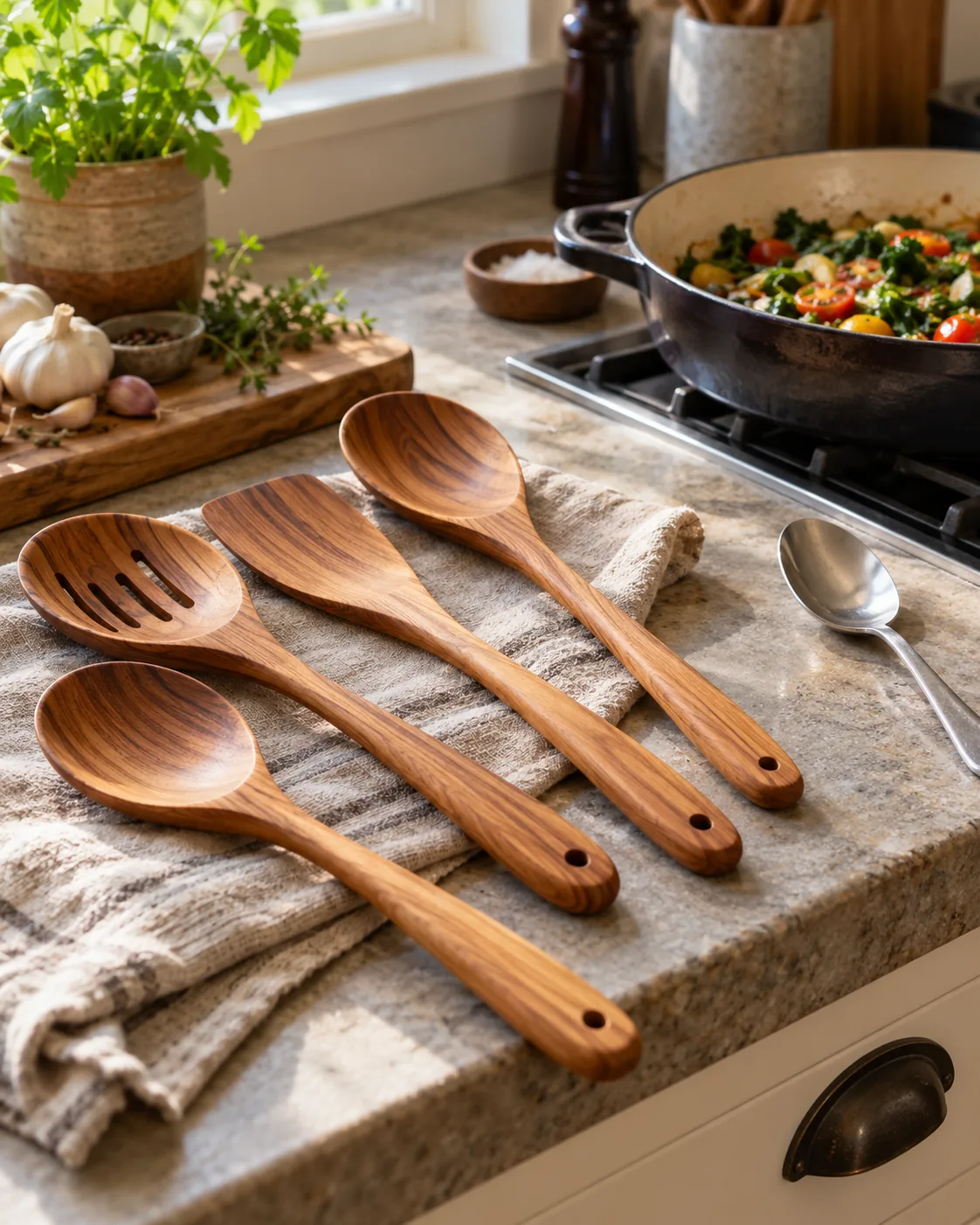
In terms of sound, a wooden spoon is also quieter against a pot or pan, unlike a metal spoon that often makes a clattering noise while stirring. This small detail actually matters for comfort while cooking, especially in a quiet kitchen.
As for taste, a wooden spoon doesn't react with acidic ingredients like tomatoes or vinegar, so it won't affect the flavor of a dish. Some metals, on the other hand, can react with acidic ingredients and leave an unwanted metallic taste behind.
With all these advantages, it's no surprise that wooden spoons remain a go to choice in many kitchens, both home and professional, even as new types of modern spoons keep appearing.