
Keeping Wooden Kitchen Tools Mold Free During the Rainy Season
This article explains why wooden kitchen tools tend to grow mold during the rainy season and offers practical steps to prevent and fix it, covering how to dry, store, and freshen up wooden tools that have started to smell musty.
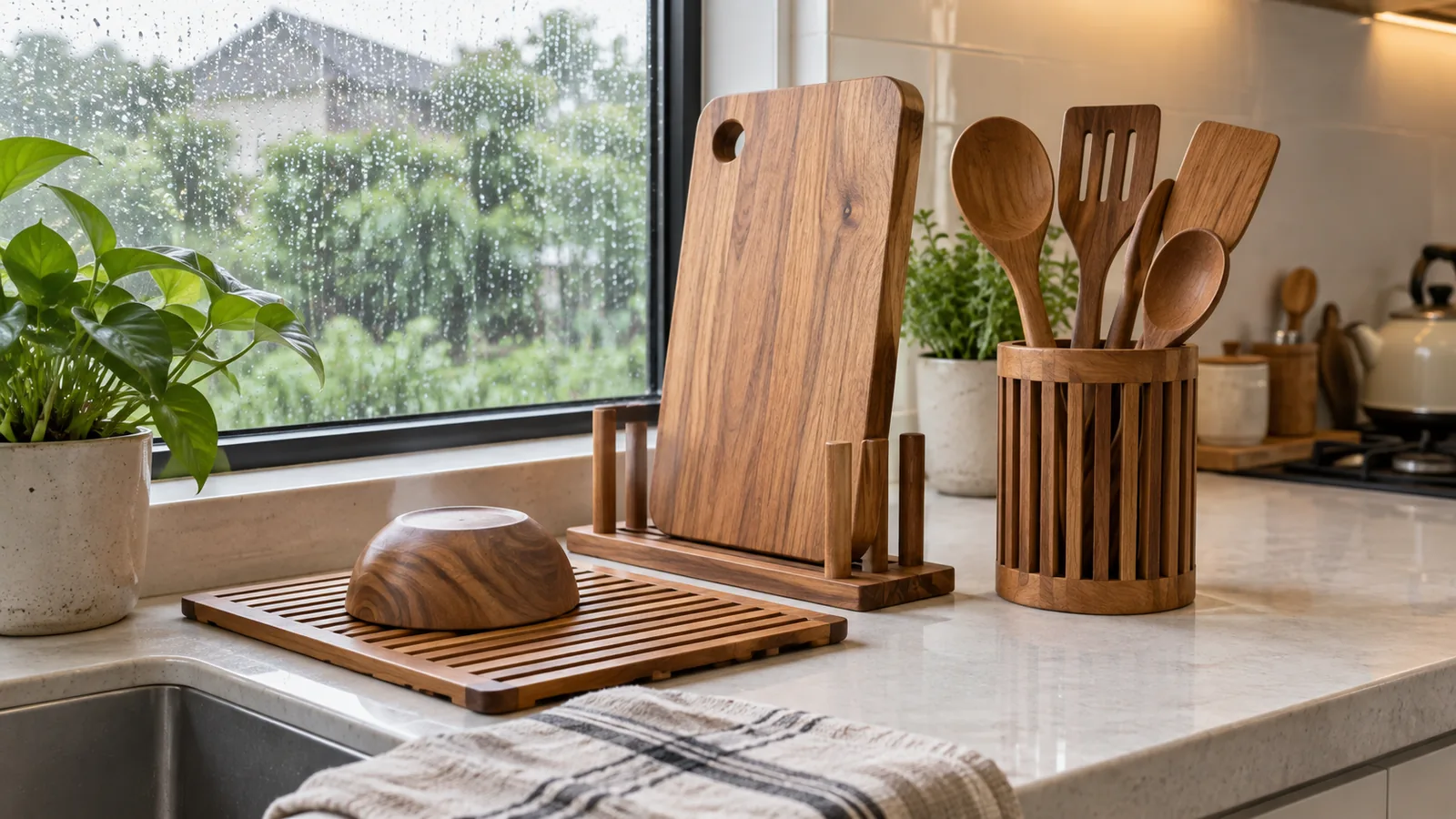
The rainy season brings its own set of challenges for wooden kitchen tools. Higher humidity means wood absorbs moisture more easily, and if not cared for properly, items like cutting boards, spoons, or wooden bowls can start to smell musty or even grow mold.
The main cause is actually simple, wood that's left damp for too long. When the air in the kitchen is wetter than usual, natural drying slows down. Water trapped in the wood's pores, especially in spots that don't get much light or airflow, becomes the perfect place for mold to grow.
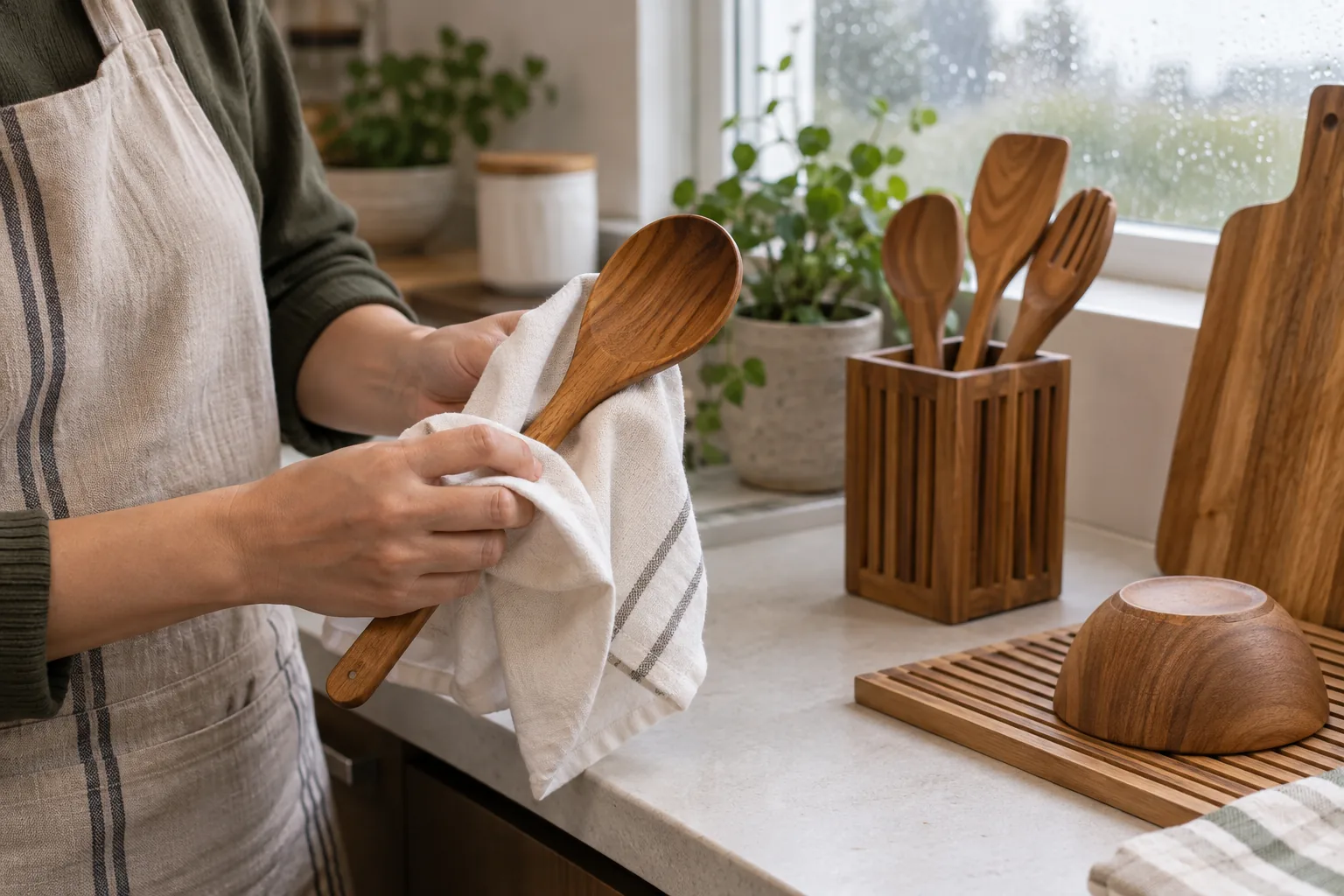
To prevent this, the first step is making sure wooden tools are fully dry before storing them. After washing, wipe with a clean cloth, then let them stand somewhere with good airflow, rather than stacking them right away or tucking them into a closed drawer. It also helps to avoid soaking wooden tools too long while washing, since more absorbed water takes longer to release.
Storing wooden kitchen tools away from damp areas, like right next to the sink or under a shelf that gets wet often, also helps extend their lifespan. Every so often, apply a bit of wood conditioning oil to keep the surface protected and less prone to soaking up excess moisture.
If a musty smell has already set in, scrub the wood's surface with a mix of warm water and a little salt or lemon juice, then dry it fully in the sun. This method works well to freshen up wooden tools without damaging the grain.
With a little extra attention during the rainy months, wooden kitchen tools can stay comfortable to use and long lasting, without the risk of mold or unpleasant odors.