
How Wooden Kitchenware Helps Cut Down Plastic Waste in the Kitchen
This article covers how wooden kitchenware helps cut plastic waste, from swapping storage containers to wood's advantage of naturally breaking down at the end of its life. It closes with a suggestion to start small, like swapping a cooking spoon or cutting board first.
Growing awareness of plastic waste's environmental impact is pushing more households to look for eco friendlier alternatives in everyday life, including in the kitchen. Wooden kitchenware, being a naturally biodegradable material sourced from a renewable resource, is becoming a go to option for cutting reliance on both single use and long term plastic in the kitchen.
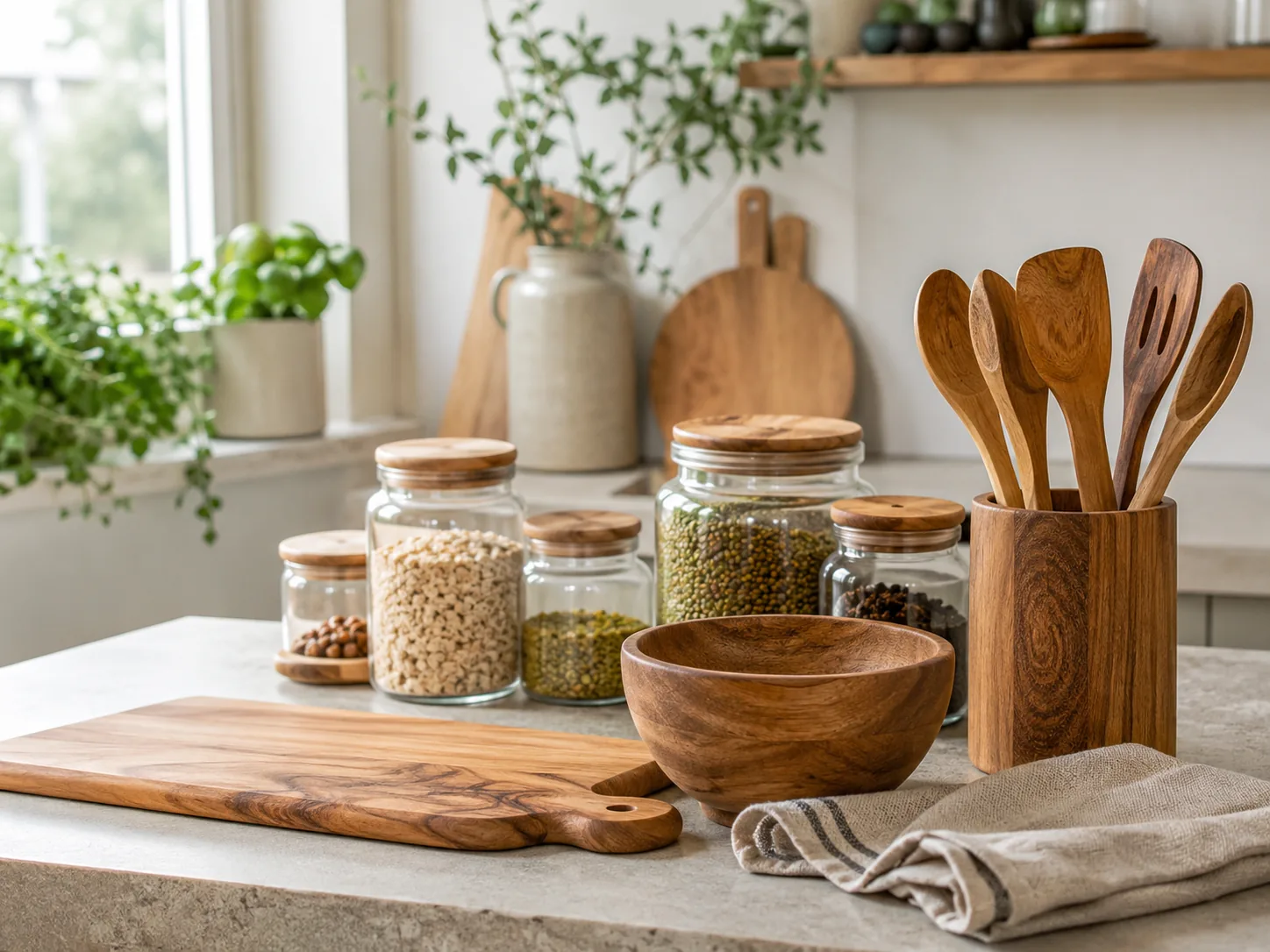
One of the easiest areas to change is storage. Swapping plastic containers for dried spices or grains with glass jars fitted with wooden lids, for example, cuts down on plastic while adding a nice aesthetic touch to the kitchen. Wooden cutting boards and cooking tools also replace the need for plastic versions, which tend to wear out faster and end up in the trash sooner compared to wood that can be cared for over many years.

In terms of product lifecycle, wood also has an edge over plastic. When a wooden piece finally wears out and can't be used anymore, it breaks down naturally without leaving harmful residue behind, unlike plastic, which takes hundreds of years to decompose and often breaks into microplastic particles that pollute soil and water. Choosing wood sourced from sustainably managed forests also makes sure using wood doesn't add to deforestation problems.
Cutting plastic waste in the kitchen doesn't have to happen all at once. Starting with swapping out the most frequently used pieces, like a cooking spoon, a cutting board, or a storage container, can already make a meaningful difference over time. With small, consistent steps like this, a household kitchen can contribute to a more sustainable lifestyle without giving up comfort or the everyday function of its tools.