
How to Properly Sanitize Wooden Kitchenware Without Damaging It
This article covers how to safely sanitize wooden kitchenware, from avoiding hot water soaking to natural disinfecting methods using vinegar or salt and lemon. It closes by emphasizing how important thorough drying is after the sanitizing process.
Keeping wooden kitchenware clean can be a bit confusing, especially since sanitizing methods commonly used for plastic or metal aren't always safe for wood. Understanding the right way to clean and kill germs on wooden kitchenware matters, so hygiene stays on point without wrecking the wood's structure or look.
The first thing to avoid is soaking wooden kitchenware in hot water for a long time, especially boiling water. Excess heat and prolonged water exposure can cause the wood to warp or crack from too drastic a shift in moisture. Instead, washing with warm water and regular dish soap is usually effective enough for clearing food residue and most bacteria from everyday use.
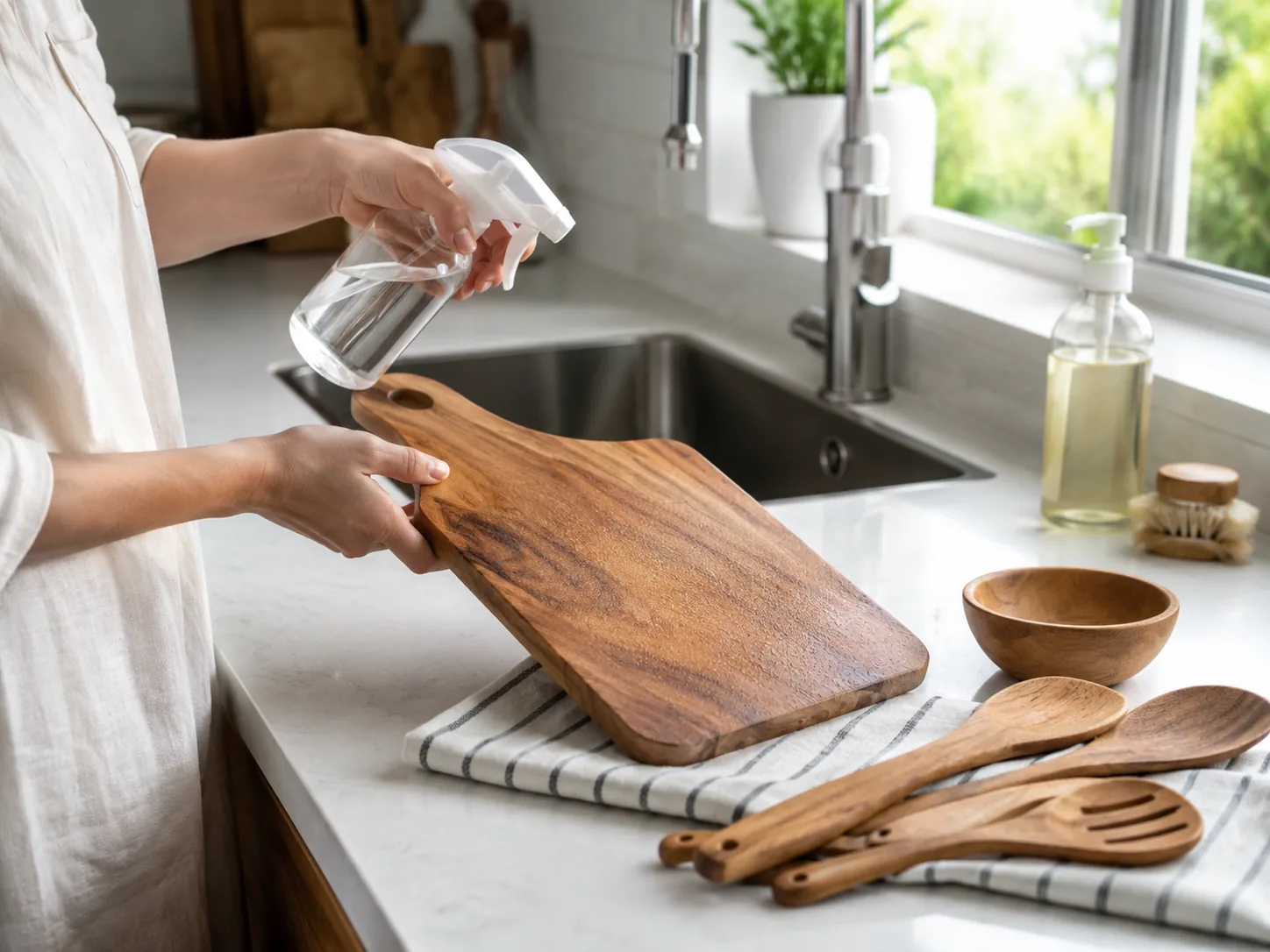
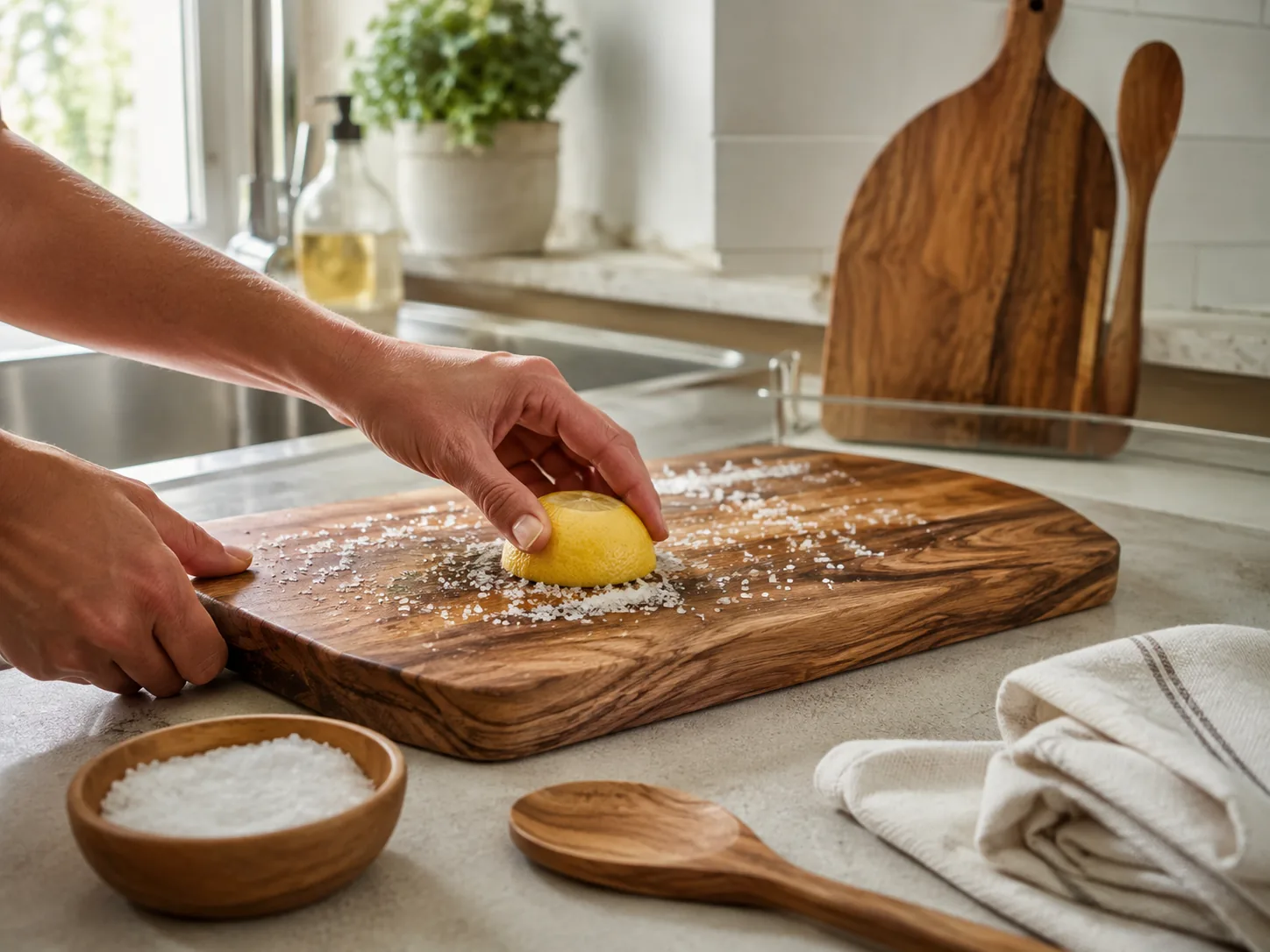
For extra sanitizing, a white vinegar solution mixed with water in equal parts works well as a natural disinfectant. Just spray or wipe the solution onto the wood's surface, let it sit for a few minutes, then rinse and dry right away. Another popular method is sprinkling coarse salt with a lemon half over a cutting board's surface, then gently scrubbing it in, which helps lift stains while giving a natural antibacterial boost from the lemon's acidity.
After sanitizing, making sure the wood is fully dry before storing it is just as important. Leftover moisture on the surface or trapped in tiny cracks can become a breeding ground for bacteria if it's not dried thoroughly. With the right cleaning method combined with proper drying, wooden kitchenware can stay hygienic for daily use without sacrificing the wood's quality or good looks.