
How to Choose the Right Size Wooden Cutting Board for Your Kitchen
This article covers how to choose the right size and thickness of wooden cutting board based on kitchen needs, from small boards for light tasks to large ones for cooking bigger batches.
A wooden cutting board is one of those kitchen tools used almost every single day, from chopping vegetables and fruit to prepping ingredients for a main dish. Yet many people pick a cutting board based on looks alone, without really thinking about which size actually fits their kitchen's needs.
Small boards, usually around 20 to 25 centimeters, work well for light tasks like slicing onions, chilies, or fruit for a snack. This size is handy since it's easy to store and doesn't take up much space on a shelf or in a drawer, especially in smaller kitchens.
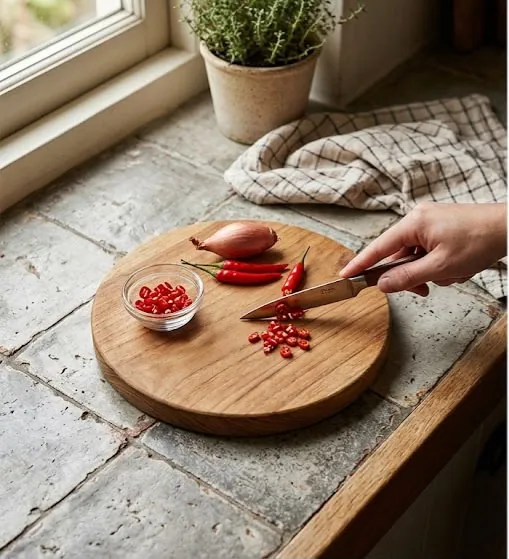
For everyday cooking with a wider range of tasks, a medium sized board, around 30 to 35 centimeters, tends to be the most flexible option. It's spacious enough to chop larger amounts of vegetables or prep meat, without feeling too bulky on a standard kitchen counter.
Larger boards over 40 centimeters long, on the other hand, suit households that cook more intensively, or needs like cutting large portions of meat, prepping ingredients for a family gathering, or even doubling as a serving board at the table.
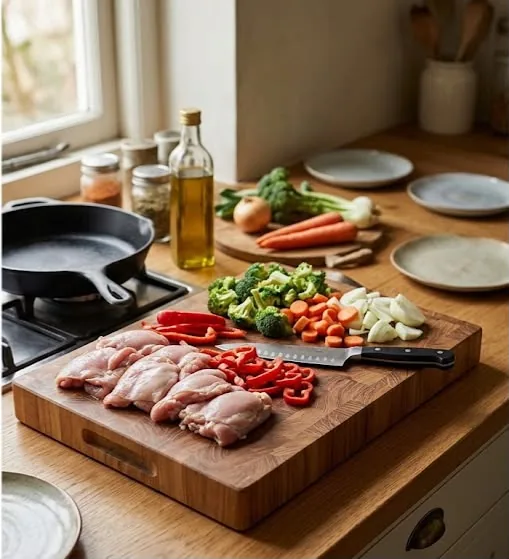
Besides size, thickness matters too. Thicker boards, usually over 2 centimeters, tend to last longer and resist warping better than thinner ones, though they're also heavier.
Having more than one size on hand can actually be the best approach, one for light daily tasks and another for cooking in larger batches. That way, each board gets used for what it's best at and lasts longer over time.