
From Preparation to Serving: Why Teak Kitchenware Works for Everyday Use
Teak kitchenware combines natural beauty with practical everyday use. From cutting boards and utensils to bowls and serving trays, teak products can support both food preparation and table presentation. Discover how wooden kitchenware can bring warmth and functionality into the modern kitchen.
From Preparation to Serving: Why Teak Kitchenware Works for Everyday Use
The kitchen is more than a place for cooking. It is also a space for preparing food, serving meals, and spending time together.
Using wooden kitchenware can bring a warmer and more natural feeling into this everyday environment. Among different types of wood, teak wood is often chosen because of its durability, distinctive grain, and timeless appearance.
From cutting boards and utensils to bowls, plates, and serving trays, teak kitchenware can become part of every stage of the kitchen experience.
1. Start with the Right Cutting Board
A cutting board is one of the most frequently used pieces of wooden kitchenware.
Different sizes and shapes can support different activities, from slicing vegetables and preparing fruit to cutting bread or serving food directly at the table.
A teak cutting board combines functionality with the natural appearance of wood, making it suitable for both preparation and presentation.
Large cutting boards are useful for everyday cooking, while smaller boards can be practical for quick preparation or serving snacks.
Choosing the right size based on daily activities can make the kitchen more organized and efficient.
2. Wooden Utensils for Everyday Cooking
Spoons, spatulas, ladles, and other teak kitchen utensils are simple tools that are used repeatedly throughout the day.
Their natural wooden surface brings a softer visual element into kitchens that often contain metal, stone, glass, and ceramic materials.
Wooden spoons and spatulas can also be displayed in a container near the cooking area, allowing them to become part of the kitchen styling while remaining easy to reach.
Simple shapes and smooth surfaces are especially important for products designed for comfortable everyday use.
3. Bring Food Directly to the Table
One advantage of well-designed teak kitchenware is that some products can move naturally from the kitchen to the dining table.
A wooden cutting or serving board can be used to prepare ingredients and later become a presentation surface for bread, cheese, fruit, snacks, or shared dishes.
This creates a more relaxed and natural dining presentation.
Teak serving boards are especially useful for homes, cafés, restaurants, and hospitality environments where presentation is an important part of the dining experience.
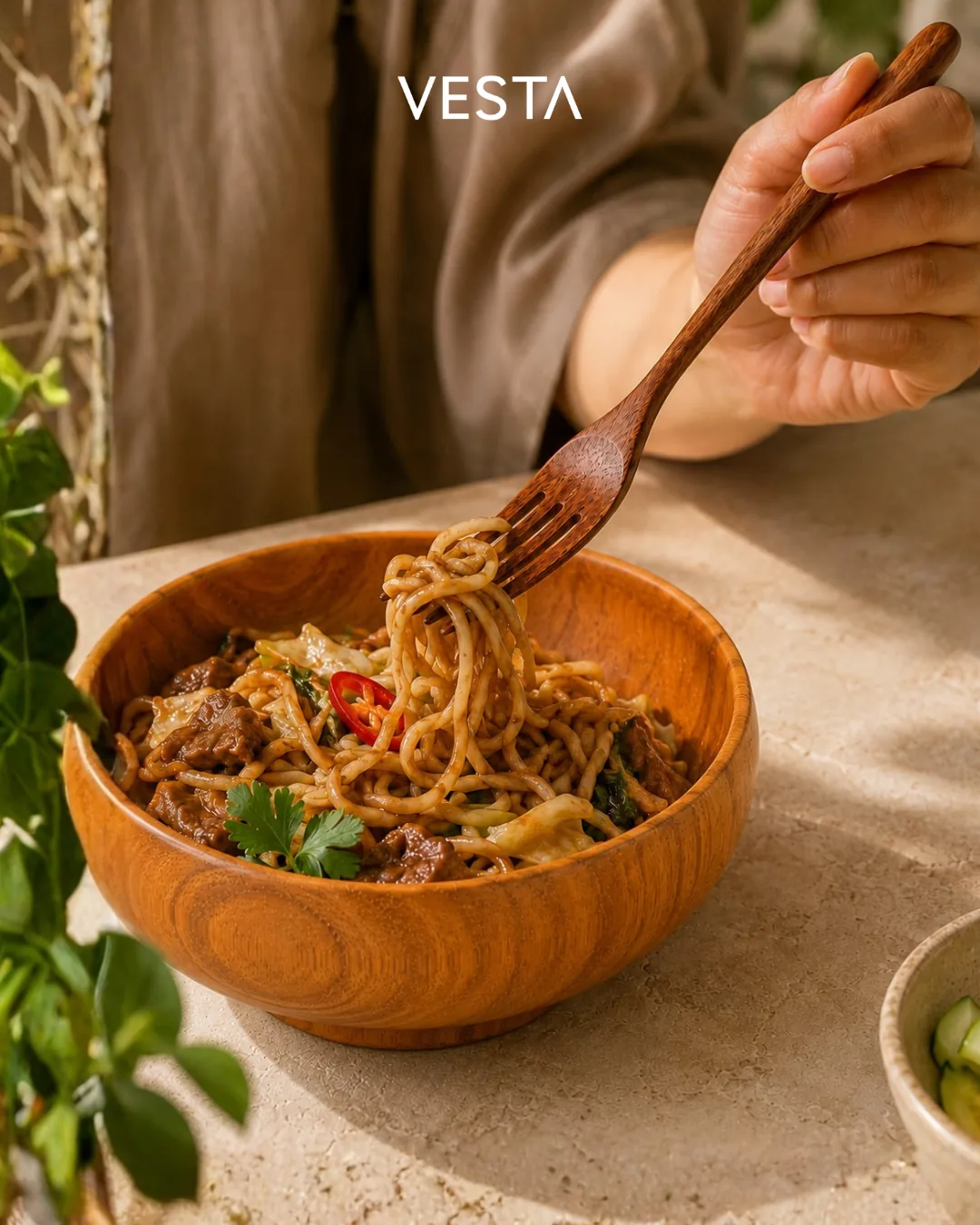
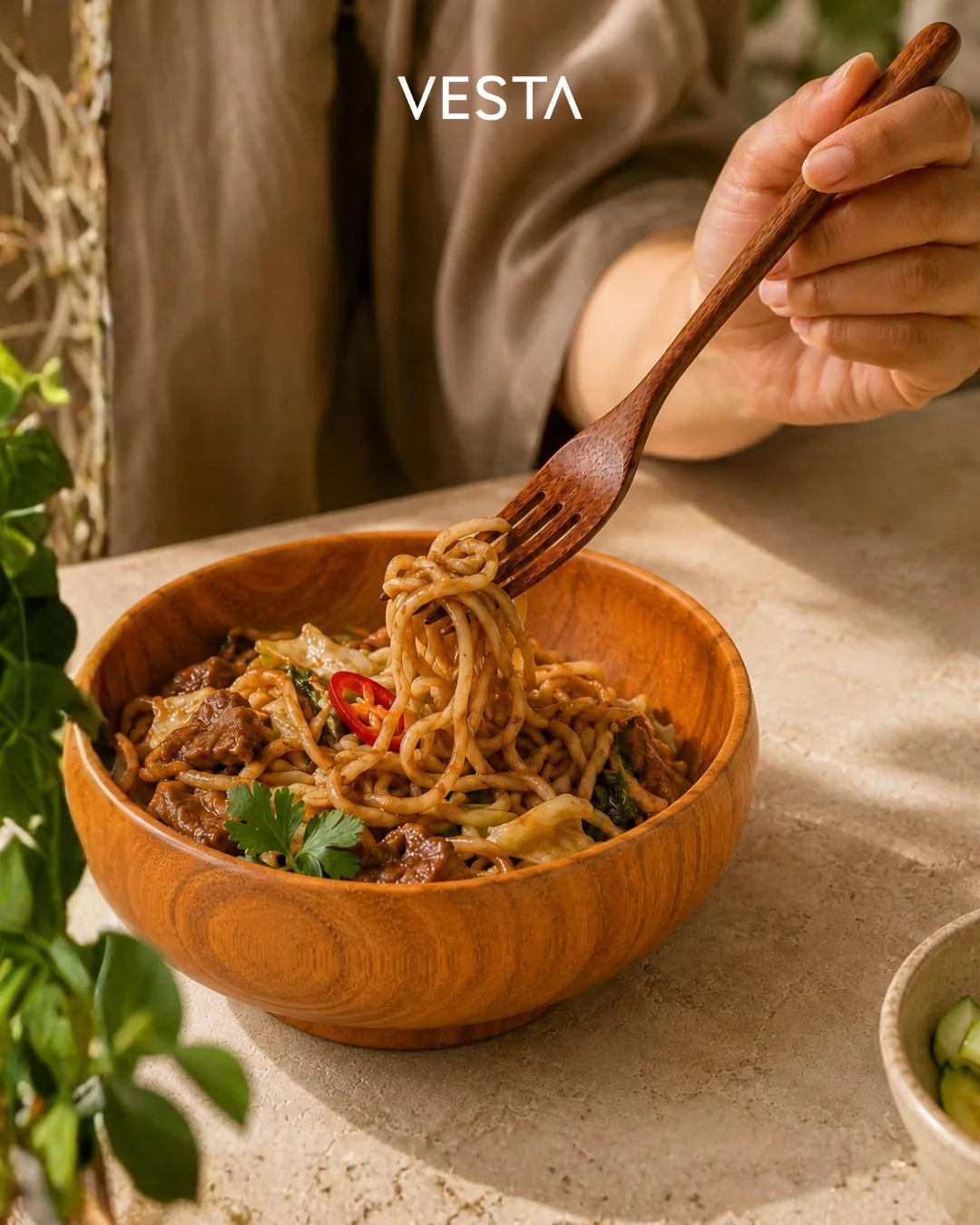
4. Wooden Bowls for Preparation and Serving Bowls are another versatile part of wooden kitchenware and wooden tableware.
Smaller bowls can be used for condiments, snacks, or side dishes, while larger bowls can be used for salads, fruit, noodles, or shared meals.
The warm tone of Indonesian teak wood adds natural texture to the table and creates a beautiful contrast with colorful food.
Because every piece of wood has its own grain and tone, each wooden bowl can also have a slightly different natural character.
5. Serving Trays for More Than Carrying Food
A teak serving tray is not only useful for carrying drinks or dishes.
It can also be used to organize items on a kitchen counter, dining table, coffee station, or breakfast setup.
Wooden trays can help make everyday objects look more organized while adding a natural decorative element.
For entertaining guests, a larger tray can also make serving drinks, snacks, or tableware more convenient.
This combination of function and presentation makes serving trays one of the most versatile teak wood home products.
6. Create a Natural Dining Experience
Using wooden tableware can create a warmer and more relaxed dining atmosphere.
Teak plates, bowls, serving boards, trays, and utensils can be paired with ceramic, linen, glass, and neutral table accessories.
The goal does not have to be an entirely wooden table setting.
Even a few teak kitchenware products can introduce enough natural texture to make the dining area feel more inviting.
This approach works well for modern, minimalist, tropical, Japandi, and contemporary dining concepts.
7. Choose Kitchenware Based on Function
Good kitchenware should not only look attractive.
Before selecting a product, consider how it will actually be used.
For example:
Larger cutting boards are suitable for food preparation.
Small boards can be useful for fruit, snacks, or serving.
Deep bowls work well for salads and noodles.
Small bowls can hold condiments or side dishes.
Serving trays are useful for carrying and organizing.
Wooden utensils support everyday cooking.
Choosing teak kitchenware based on function helps create a kitchen that is both practical and visually organized.
8. Natural Materials for Modern Kitchens
Modern kitchens often use clean surfaces and neutral colors.
Adding Indonesian teak wood kitchenware can introduce warmth without changing the overall design of the room.
A teak cutting board against a light stone countertop, wooden utensils beside a modern stove, or a serving tray on a dining table can create a natural contrast.
This makes natural wooden kitchenware suitable for kitchens ranging from modern minimalist to more traditional interiors.
Bringing Teak Into Everyday Kitchen Life
Good kitchenware becomes part of everyday routines.
From preparing ingredients in the morning to serving dinner at the end of the day, the right tools can make simple activities feel more comfortable and organized.
With its natural appearance, versatility, and timeless character, teak wood can be transformed into kitchen products for preparation, cooking, serving, and dining.
At Vesta Home Living, we create Indonesian teak kitchenware and wooden tableware designed to combine natural materials, functional forms, and craftsmanship for everyday living.